%20(1).avif)




ERP marketing is difficult for a simple reason: the product is complex, the purchase carries operational risk, and the person who first finds you is rarely the only person who decides.
A reseller may need to prove platform knowledge. An implementation partner must reduce delivery risk. A software vendor has to explain product fit, integrations and support. A consultancy must make an intangible service feel concrete. Treating all four businesses like a generic SaaS company produces generic content and weak leads.
Our Semrush review found modest search volume for direct phrases such as ERP marketing, but the intent is unusually close to the market NexaFlow wants to serve. That makes the right strategy a precision play, not a traffic vanity project.
What Is the Best ERP Marketing Strategy?
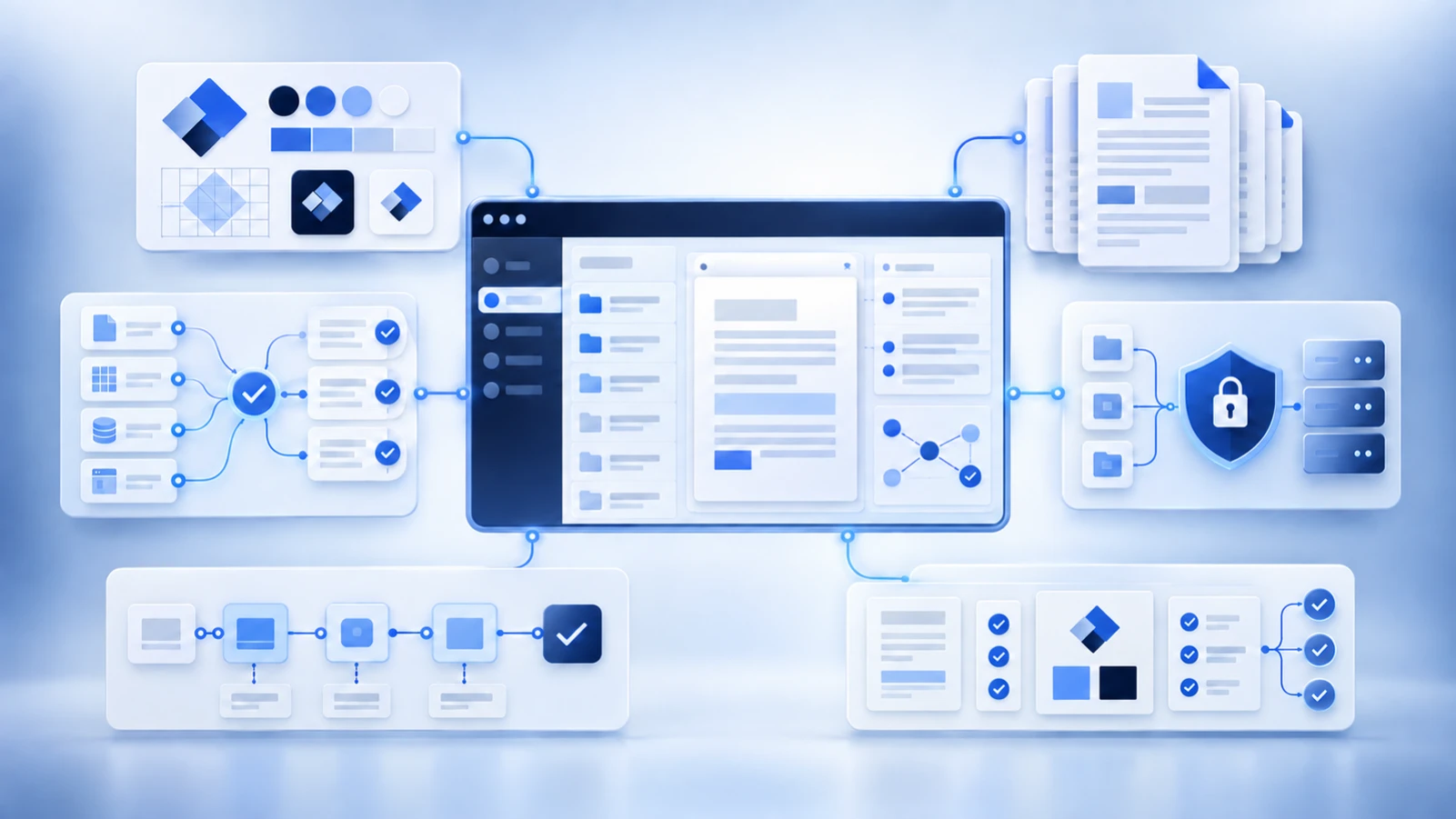
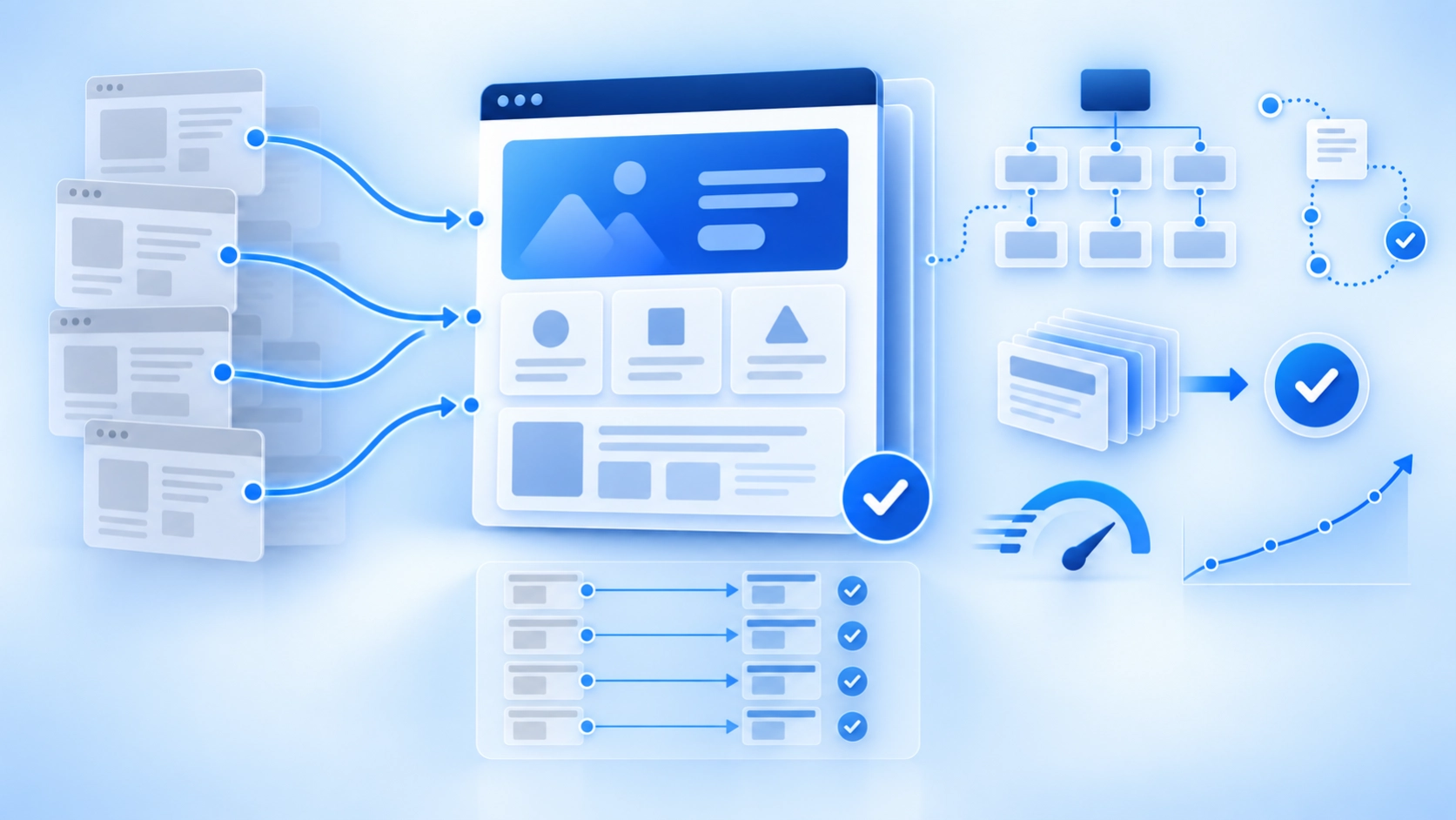
The best ERP marketing strategy is a joined-up system that helps the right company discover you, understand your specialization, verify your delivery credibility and take the next step. It combines a narrow ideal customer profile, clear positioning, a proof-led website, search content, sales enablement and consistent distribution.
If a prospect can read one blog, visit the homepage, open a sales deck and hear a discovery call without encountering the same positioning and proof, the marketing system is broken.
The goal is not to make every channel identical. The goal is to make every touchpoint reinforce the same commercial truth.
Start by Separating the ERP Seller Types
The phrase “ERP company” hides several different businesses. Before choosing channels or topics, define which type of seller the campaign is built for.
| Seller type | What the buyer needs to understand | Strong marketing proof |
|---|---|---|
| ERP software vendor | Product fit, roadmap, integrations, security, support and commercial model | Product pages, integration content, documentation, customer results and implementation guidance |
| Reseller or VAR | Platform knowledge, licensing help, sector fit and ongoing support | Partner status, platform pages, vertical pages, named consultants and support process |
| Implementation partner | Delivery method, migration risk, governance, data, integrations and adoption | Methodology, technical one-pagers, team credentials, project evidence and realistic scope |
| ERP consultancy | Independent thinking, senior involvement and business-process knowledge | Point-of-view content, diagnostic frameworks, expert biographies and specific case evidence |
Trying to speak to every ERP buyer at once usually creates the same tired message: trusted experts delivering end-to-end digital transformation. That line could belong to hundreds of firms. It tells a buyer nothing about where you are strongest.
Build the Strategy Around a Specific Ideal Customer Profile
An ERP ideal customer profile should go beyond company size and industry. Include the ecosystem, project trigger, current system, internal owner, buying committee, geography, support expectation and reason the project is happening now.
- Ecosystem: Microsoft Dynamics 365, SAP, NetSuite, IFS, Acumatica, Odoo or another platform
- Company situation: replacement, upgrade, cloud migration, acquisition, international expansion or compliance pressure
- Commercial model: licenses, implementation, managed support, advisory or a combination
- Vertical depth: manufacturing, distribution, construction, professional services, retail or another sector
- Buying risk: data migration, integration, downtime, adoption, customization, reporting or support continuity
This information should shape the pages you build, the questions you answer and the evidence you collect. It also stops the content team chasing broad ERP traffic from people trying to choose software rather than companies looking for marketing, design or website support.
Use a Five-Part ERP Demand System
| Part | Job | What to build first |
|---|---|---|
| 1. Positioning | Make the specialization and reason to choose you obvious | A clear category statement, buyer definition, proof hierarchy and message guide |
| 2. Website | Turn interest into confidence | Industry, platform, service, case study, team and conversion pages |
| 3. Search | Capture existing demand and create discoverability | A commercial page supported by focused topic clusters |
| 4. Sales enablement | Help the committee reach internal agreement | Discovery deck, technical one-pager, business case, success story and proposal system |
| 5. Distribution | Put the thinking in front of the market | Founder posts, partner channels, email, events and targeted outreach |
1. Fix the Positioning Before Producing More Content
Content cannot repair weak positioning. It only distributes it faster.
A useful ERP positioning statement should answer four questions: who you help, what situation you handle, what you do differently and what evidence supports the claim. A Microsoft-focused implementation partner for multi-site manufacturers should say that plainly. Hiding the specialization behind a broad transformation message wastes a competitive advantage.
Your message hierarchy should then translate that position for the different members of the buying group. Finance needs commercial control. IT needs architecture and integration clarity. Operations needs process fit. Procurement needs scope and accountability. Executives need confidence that the change supports the business plan.
2. Make the Website Prove More Than Product Features
Most ERP websites describe modules. Strong websites reduce perceived project risk.
That means showing how discovery works, who is involved, what is included, how data and integrations are handled, what happens after go-live and what a buyer should prepare before speaking to you. The site should also make platform relationships and certifications precise rather than vague.
The commercial destination should link naturally to relevant service pages, project evidence and a clear action. If the current site cannot do that, read NexaFlow’s ERP website design approach before spending more on traffic.
What current ERP websites make visible
Public category examples reinforce the point. IFS organizes its offer around industry operations. Acumatica gives buyers routes through products, industries, roles, comparisons, pricing and customer stories. Implementation partner Columbus places industry focus and named customer work near the center of its website. These are observations from September 2026, not claims about private conversion data.
The lesson is structural: give each buyer a relevant path, put proof beside the claim and make the next commercial step clear.
3. Use Search to Capture Problems, Not Just Product Names
A useful ERP search program covers several layers of intent.
- Category intent: ERP implementation partner, ERP consultancy or ERP support
- Platform intent: Dynamics 365 implementation, NetSuite support or SAP migration
- Industry intent: ERP for manufacturing, distribution or construction
- Problem intent: failed implementation, data migration planning, reporting gaps or integration risk
- Decision intent: costs, timelines, partner comparisons, questions to ask and scope checklists
Do not turn every keyword into a separate thin page. Build one strong page for each genuine intent, then support it with articles that answer the questions a buyer asks before and after that page.
4. Give Sales the Assets the Website Promises
ERP marketing fails when the website generates interest but sales has to rebuild the story in PowerPoint every time.
Create a controlled set of assets for the major stages of the deal: a short discovery deck, stakeholder-specific one-pagers, implementation methodology, integration and security evidence, a business case, success stories and a proposal framework. Each asset should use the same language and proof as the website.
NexaFlow’s deck and presentation design service is the relevant next step when the content is sound but the material looks improvised or inconsistent.
5. Distribute Through People and Ecosystems
Publishing is not distribution. New ERP articles should be repurposed into founder posts, partner newsletters, webinar topics, event follow-up, sales emails and short technical explanations.
The founder voice matters because ERP buyers are judging the people behind the promise. NexaFlow’s founders come from an MSP, cloud, Azure and Microsoft background. That should appear through accurate explanations of technical risk and buyer concerns, not through inflated credentials or fake implementation claims.
A Practical 90-Day ERP Marketing Sequence
| Timing | Priority | Exit criterion |
|---|---|---|
| Days 1–30 | Define the ICP, positioning, proof gaps, website architecture and measurement baseline | The team agrees who the campaign is for, what it will say and where every CTA leads |
| Days 31–60 | Build or repair the commercial pages, founder profiles, case-study format and first sales assets | A buyer can verify the offer and take a relevant next step |
| Days 61–90 | Publish the first topic cluster, distribute it and connect it to sales follow-up | Pages are indexed, tracking works and sales can use the content in real conversations |
Do not judge the program only by total traffic after 90 days. Track qualified enquiries, target-account engagement, commercial page visits, asset use, assisted opportunities and the search queries that indicate the right buyer is finding you.
What ERP Marketing Should Never Promise
No serious marketing partner can guarantee a fixed number of ERP leads, a number-one ranking or an AI recommendation. The agency controls research, positioning, content, design, technical setup and distribution support. It does not control buyer budgets, sales follow-up, platform reputation or search algorithms.
A credible plan makes those boundaries clear. It also explains which assumptions need to be tested and which evidence the client must supply.
Plan the First ERP Content Cluster Around Commercial Questions
The first cluster should not begin with “What is ERP?” or a broad history of enterprise software. Those subjects attract large, mixed audiences and do little to establish why a seller should hire NexaFlow.
Start with the questions closest to the services the company can provide:
| Content | Commercial job | Next step |
|---|---|---|
| ERP marketing strategy | Create the category and connect the full system | ERP marketing or growth review |
| ERP website design | Capture buyers who know the site is not proving enough | Website teardown |
| ERP branding | Expose weak positioning and sameness | Positioning or brand audit |
| Design subscription comparison | Help a team choose a delivery model | Plan-fit call |
| ERP sales enablement | Connect design to a live sales problem | Sales-asset review |
| ERP lead generation | Diagnose why content and campaigns do not become pipeline | Demand-capture audit |
| SEO, AEO and GEO for ERP | Create the AI visibility point of view | AI visibility baseline |
The cluster is intentionally smaller than the whole ERP market. It is built around the problems NexaFlow can solve. That commercial honesty is stronger than publishing buyer-side implementation advice simply because the volume is larger.
Use Internal Links to Move the Buyer Forward
Every article should link to one commercial service, one relevant plan and at least two sibling guides. The anchor text should explain the destination rather than say “learn more.”
- Review what an ERP website must prove before a demo
- Map the collateral needed for a committee sale
- Separate ERP content from a real lead-generation system
- See the SEO, AEO and GEO playbook for ERP sellers
Links should appear where the reader naturally needs the next answer. A footer containing every article is navigation, not a thoughtful internal-link strategy.
Create a Marketing Evidence Register
ERP marketing teams handle claims from sales, delivery, partner managers and product teams. Without a record, outdated statements spread across pages and presentations.
Maintain a simple register with the claim, source, owner, approval date, review date and every asset where it appears. Include partner status, product support, integration capability, customer results, sector experience and team credentials.
When a claim changes, the register makes it possible to find the affected pages and files. This is particularly important when a platform partnership changes or a named specialist leaves the company.
Govern the Program Like an Operating System
Assign one owner for positioning, one for technical and product accuracy, one for publishing and one for commercial measurement. A small team can combine roles, but ownership must still be explicit.
Use a monthly review to answer:
- Which pages are earning relevant impressions?
- Which assets are used in active opportunities?
- Which claims need review?
- What questions appeared in sales calls?
- Which content should be strengthened rather than replaced?
- Where is the conversion path breaking?
This review turns content into a learning system. Without it, the blog becomes a queue of topics and no one knows what changed in the market.
Need a Joined-Up ERP Marketing System?
NexaFlow helps technical businesses connect brand, Webflow, sales assets and search around one buyer journey. We do not pretend marketing can replace a weak offer or poor follow-up. We fix the content and conversion system so the right prospects can understand and trust the business.