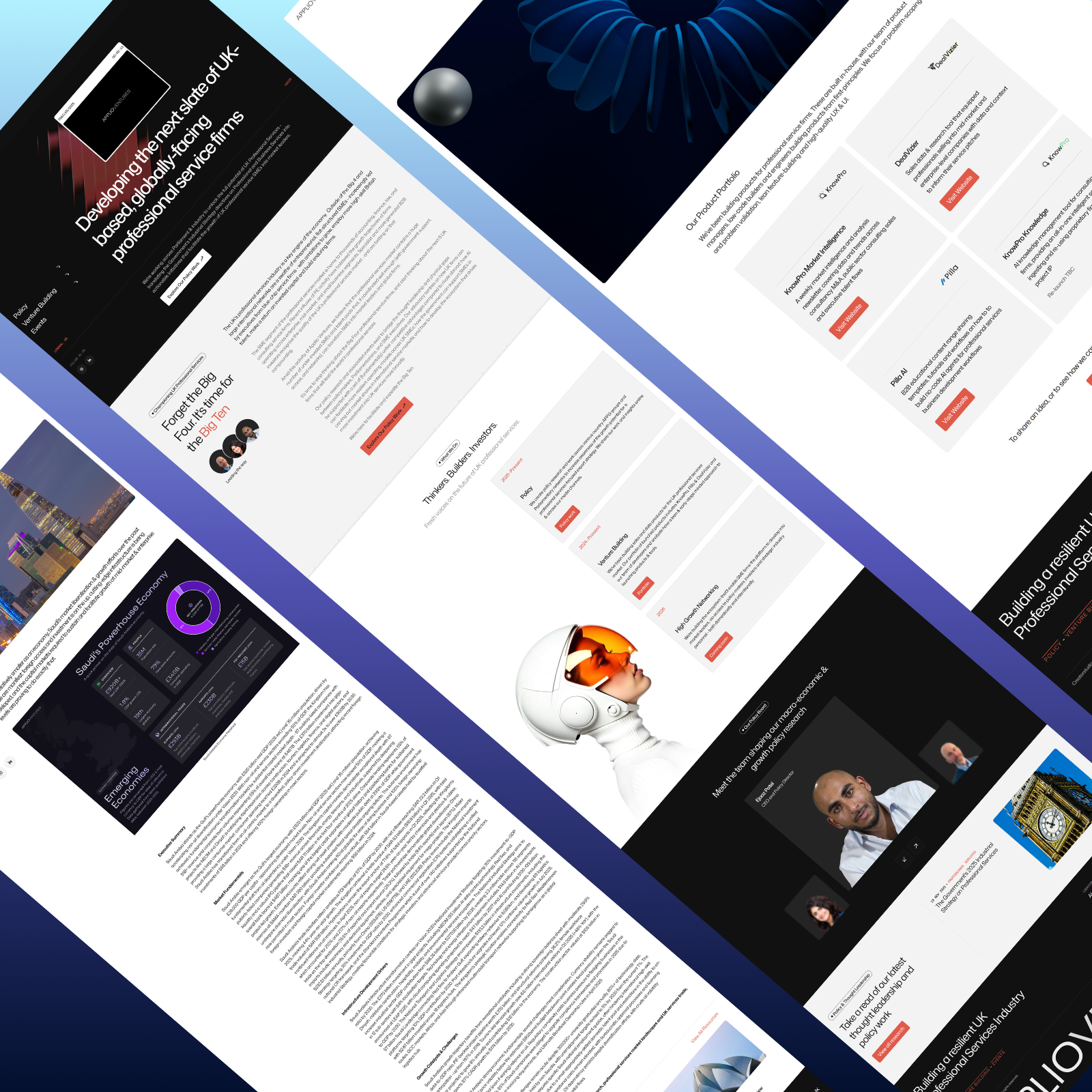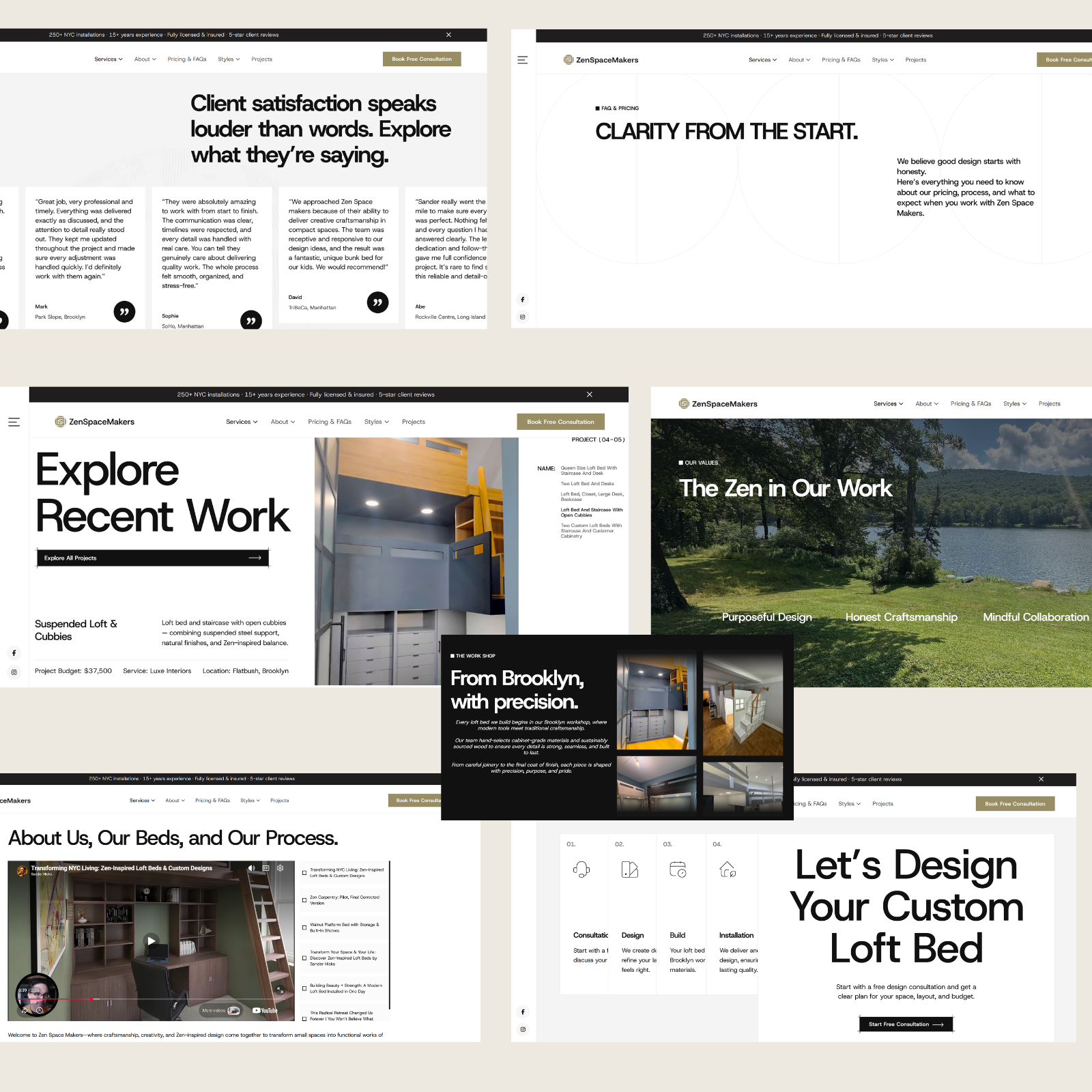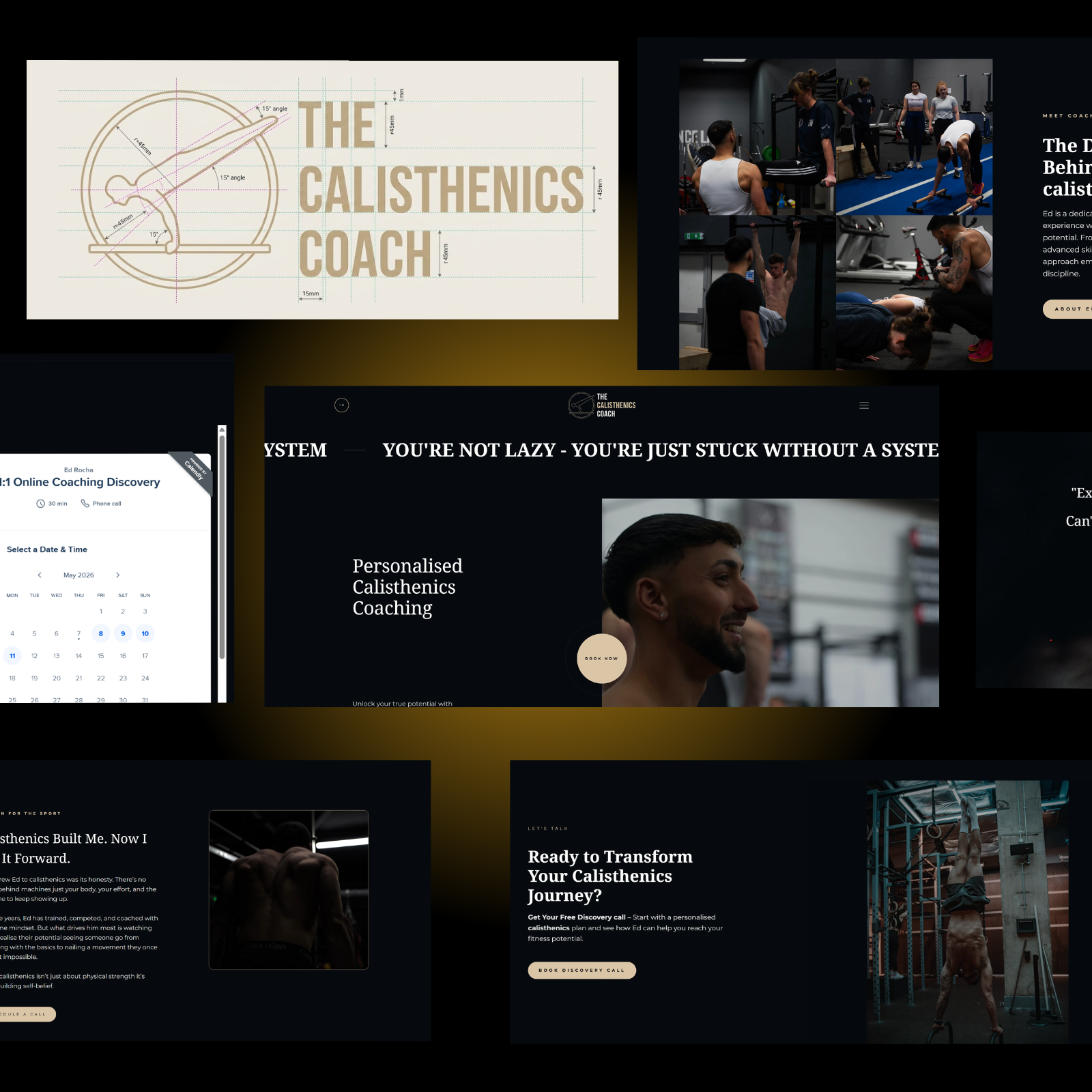


The final package contains the agreed editable deck and PDF, together with any recurring evidence, pathway and implementation layouts included in the project. We confirm software, chart-editing needs and the different audience versions in advance. Supporting slides retain clear labels and a sensible order, allowing presenters to find the relevant evidence during discussion while keeping the main account of the service change readable.
We work with the people who understand the service and the decision, checking the outline before building the complete deck. Early pathway and evidence slides show how the presentation will handle the content, making review more useful than approving a visual style in isolation.
We establish the service proposal, the organization’s role and the audience expected to decide or act. The brief records the meeting purpose, stakeholder versions, required reviewers and source material, along with the software and delivery date for the presentation.
Reports, service measures, pathway descriptions and stakeholder feedback are reviewed against the proposed decision. We identify unclear definitions, inconsistent service boundaries and missing explanations, so the relevant owners can resolve them before the presentation turns those details into a visual argument.
For narrative development, we outline the current issue, proposed approach, alternatives and implementation implications. The sequence makes the requested decision explicit and places the supporting information where it answers a real reviewer question, rather than reproducing the report section by section.
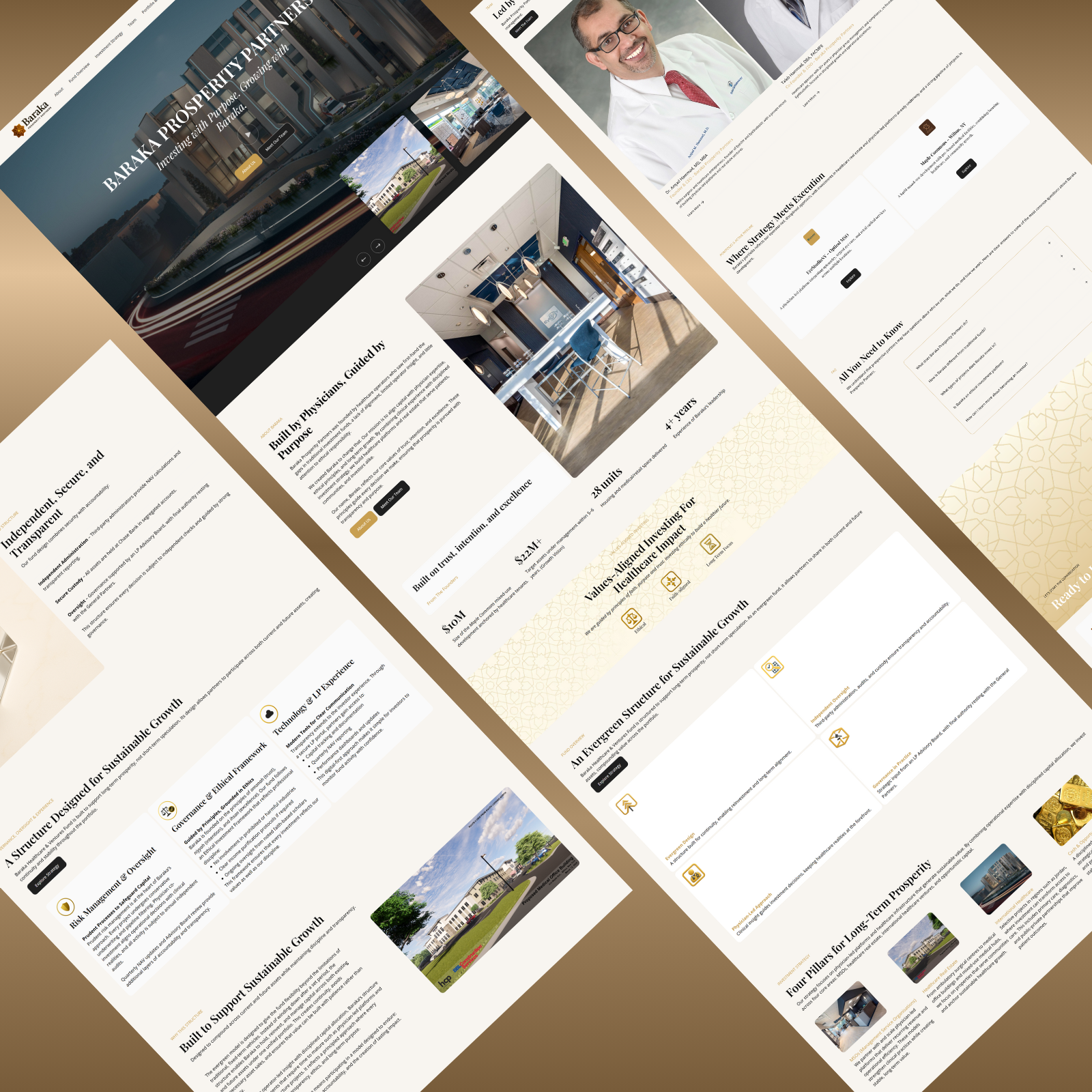
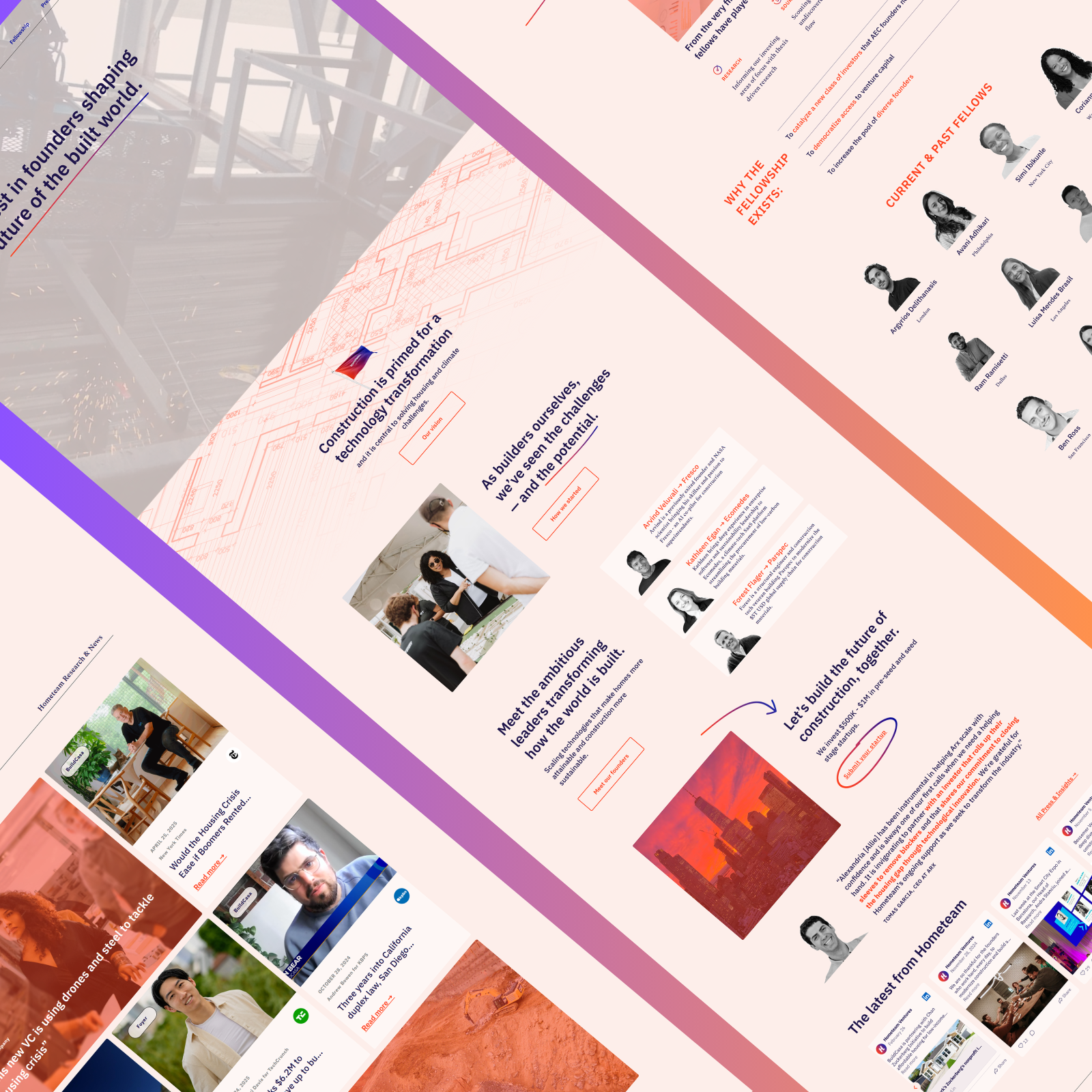
We use a pathway, evidence chart and decision slide to establish the visual approach. The examples test how service stages, longer labels and contextual notes can remain readable, with clear distinctions between the proposal, its evidence and the action requested.
The complete deck is designed around the agreed outline, including any supporting stakeholder sections. Your content owners review service descriptions, data interpretation and proposed changes; we refine the hierarchy and visual continuity so the presentation remains understandable across different kinds of material.

We check the final audience versions, supporting sections and PDF export, then hand over the editable files. Reusable layouts are explained with their intended purpose, helping teams update measures and progress information without changing the meaning of the underlying service proposal.
We review whether the audience can follow the argument and see the next step. Narrative work addresses gaps, slide order and copy before design starts.
We use charts, diagrams and layout to make the main point visible. Important evidence gets context, and detailed material has a place without overwhelming the slide.
The handover supports the next meeting and the next update. We confirm software, versions and reusable layouts around your team’s workflow.

Founder | Stellarsearch.ai

Founder & CEO | BPP

Founder | Uncomplicated Brands

CEO | BAD Gateway

Founder | MBNM

Founder | Along Bikes

Designer | HTV

Founder | CLU & TCC

Founder | BeatzHire

Co-Founder | OTD

Owner | LoftBedsNYC