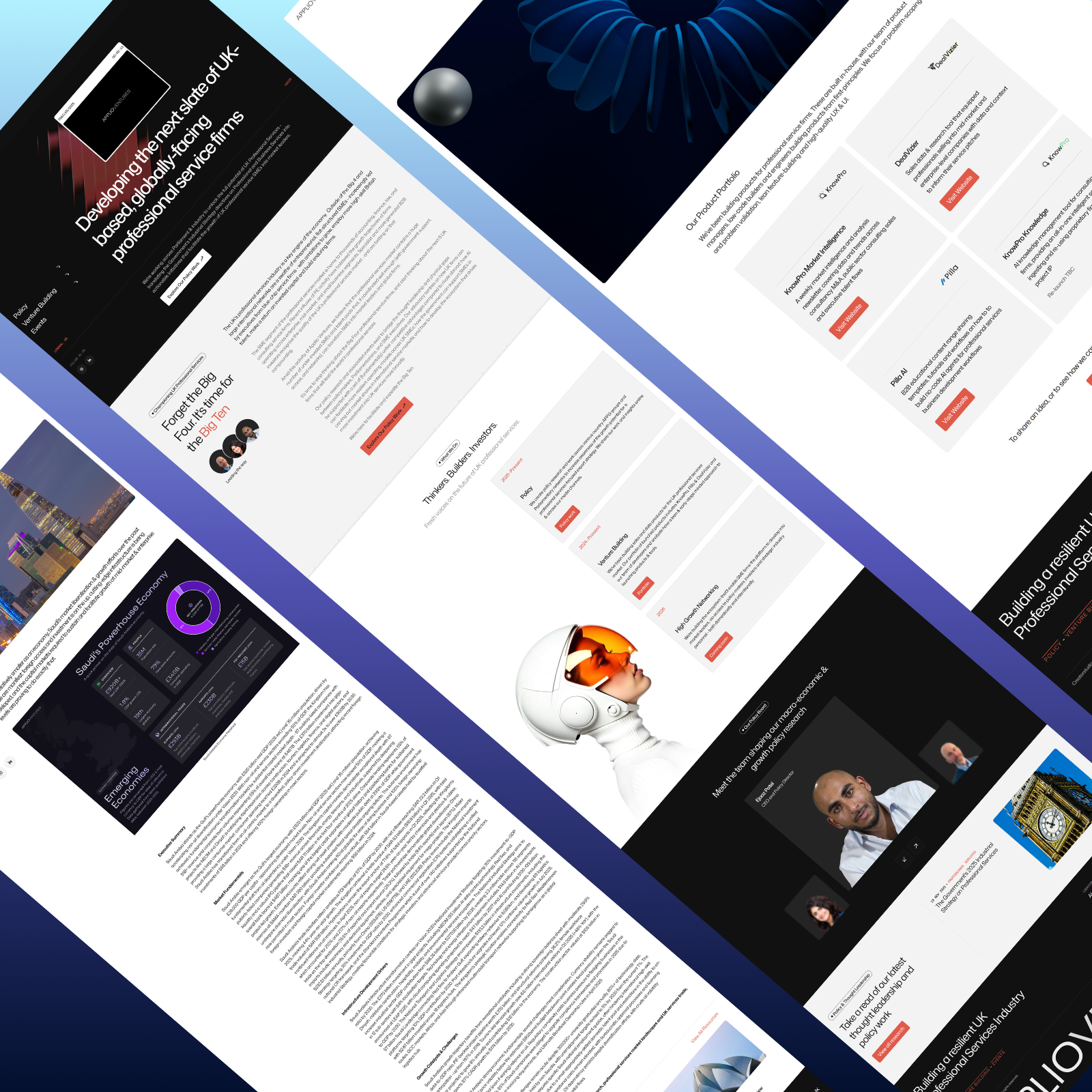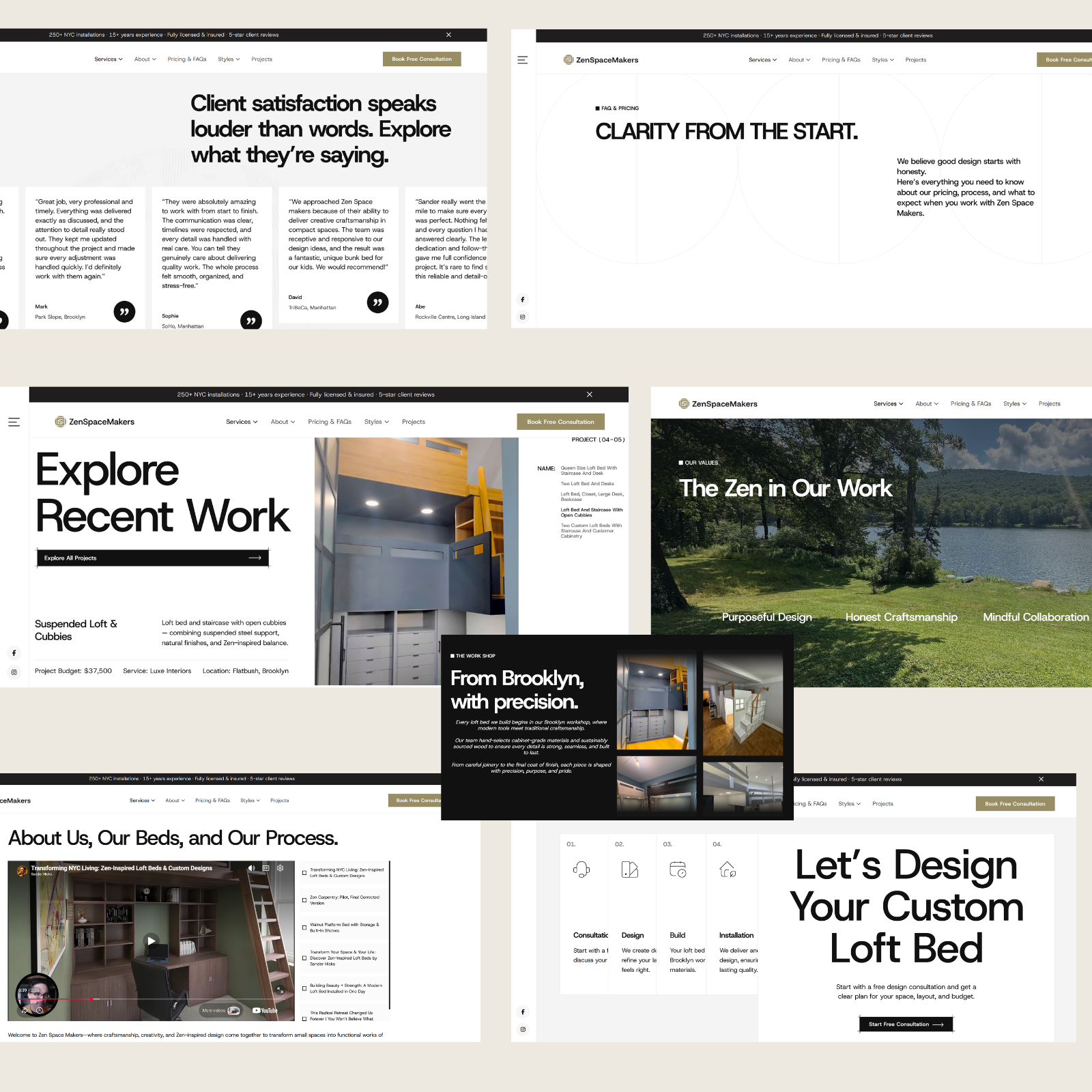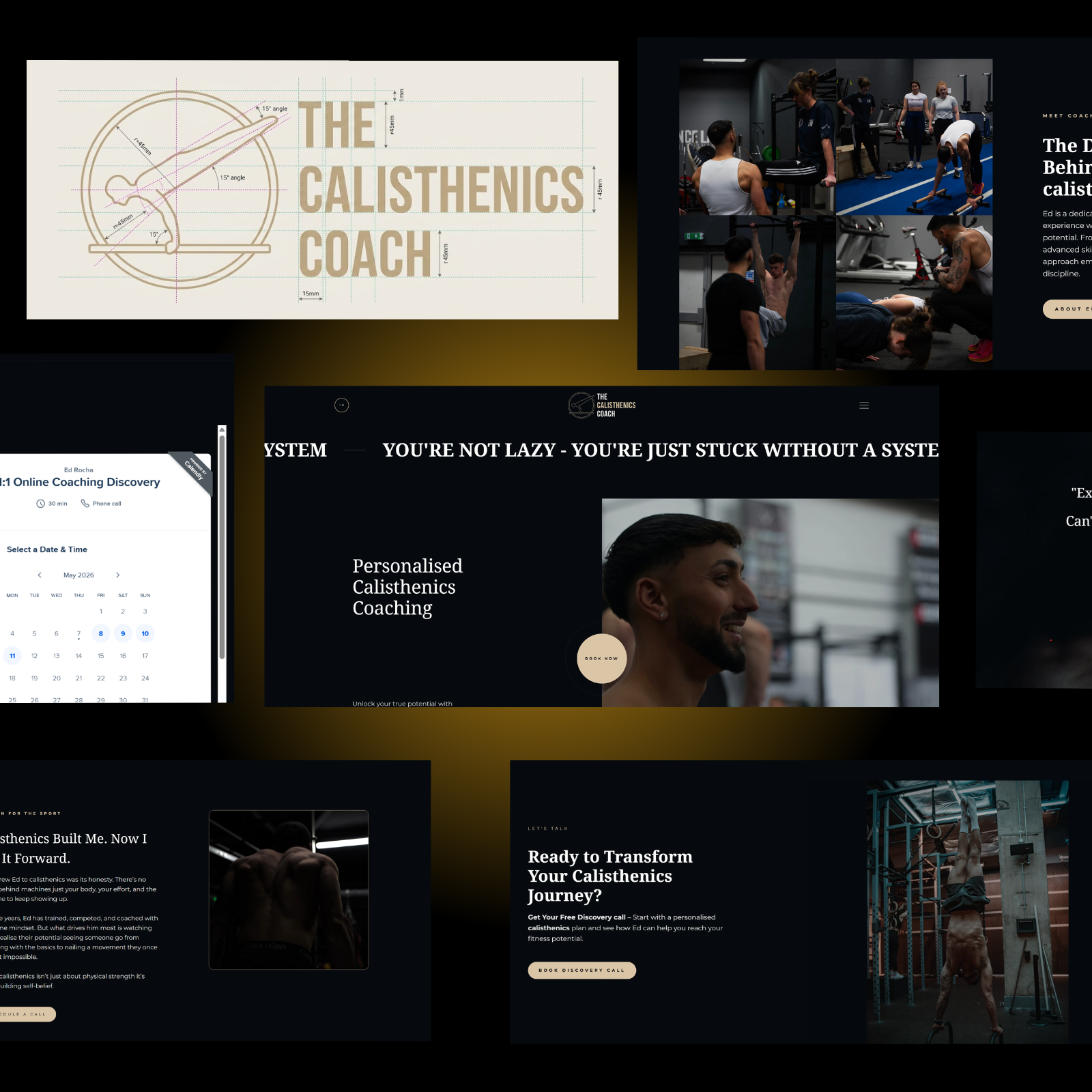



















We review how the organization presents itself today and where its public information is maintained. The project establishes a shared content structure and visual direction, then carries them into a Webflow build that supports the network’s actual service and contact relationships.

We map the group, local names, services and current websites using representative location information. Your team identifies which content is shared, who confirms local details and where appointment or patient-service routes need to lead.
Group, service and location layouts are developed together to test the identity and information hierarchy. You review representative journeys on desktop and mobile, including how a patient moves from a service to an appropriate local contact.
The Webflow build implements the agreed page patterns and related content records. Shared descriptions and location-specific information follow the defined model, with the approved booking and referral destinations connected in the relevant journeys.
We check representative service-to-location routes, provider relationships and local contact details. Your content owners review availability and practical information while we test navigation, mobile layouts and the destinations used across the public site.
Central and local editors receive guidance for the content they maintain, including how shared descriptions affect other pages. Handover includes the agreed website and design files, with a walkthrough of adding or updating a location.