%20(1).avif)




Open ten ERP partner websites and the same phrases appear repeatedly: trusted partner, end-to-end transformation, decades of combined experience, customer-centric solutions and industry-leading service.
The firms may be genuinely different. Their branding makes them look identical.
That is not a cosmetic problem. If a buyer cannot see why one partner is a better fit, the decision falls back to platform relationship, price, geography or whoever got the first introduction.
What Is ERP Branding?
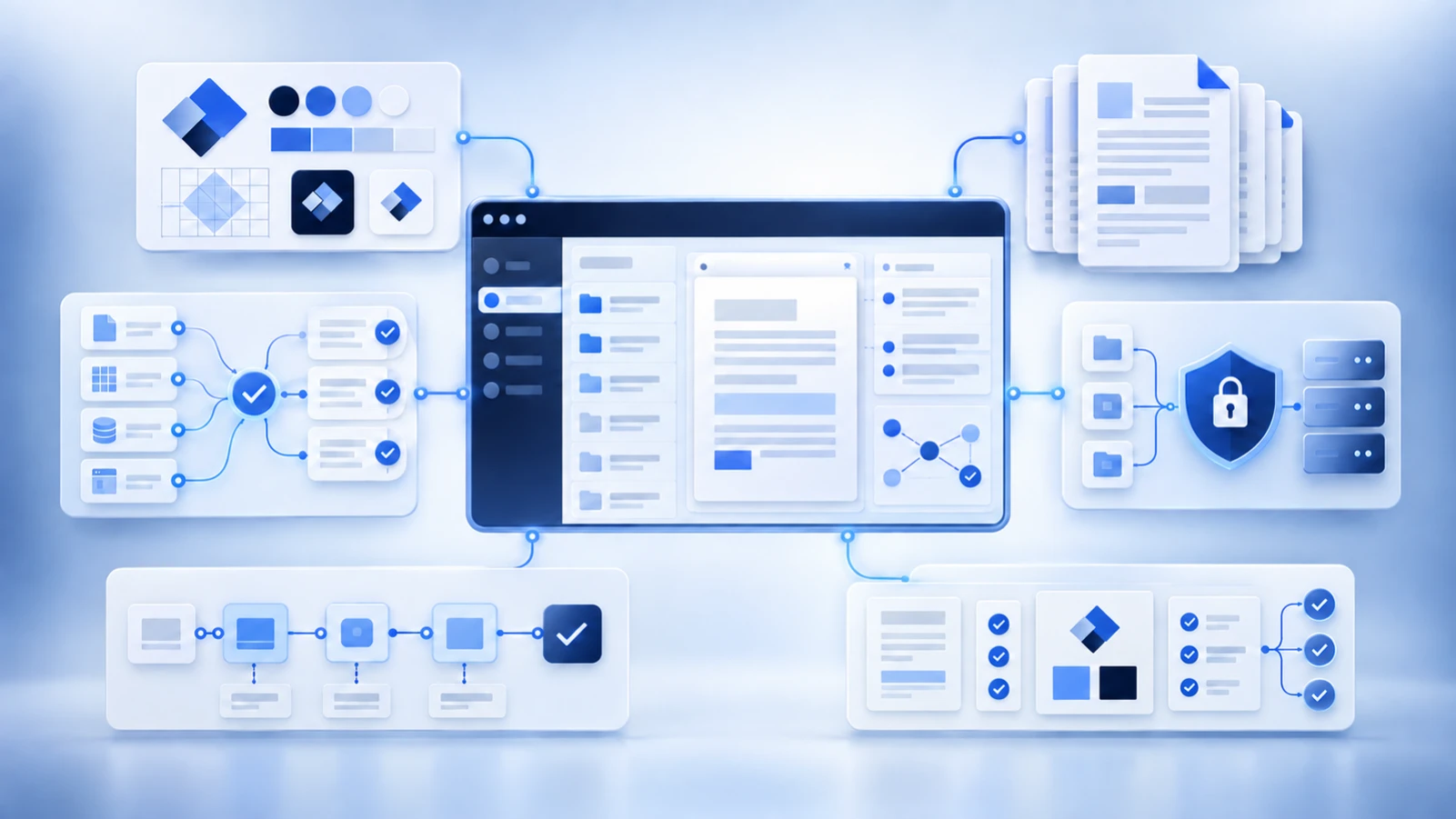
ERP branding is the system that defines how an ERP vendor, reseller, implementation partner or consultancy is positioned, described and recognized. It includes the commercial position, verbal identity, visual identity, proof hierarchy and practical rules used across the website, sales material, campaigns and delivery touchpoints.
A logo is part of the system. It is not the system.
The job of ERP branding is to reduce confusion and make the company’s real strengths easier to choose.
Why ERP Companies End Up Sounding the Same
- They copy language from platform vendors and larger consultancies
- They try to appeal to every industry and project type
- They confuse capabilities with positioning
- They treat partner status as the whole value proposition
- They let different salespeople describe the company in different ways
- They redesign visuals without resolving the message
The fix is not finding a more impressive adjective. It is making choices.
Choose the Position Before the Tagline
A useful position comes from the intersection of market need, delivery reality and credible proof.
| Positioning input | Questions to answer | Weak shortcut |
|---|---|---|
| Buyer | Which companies, roles and project situations are the best fit? | Mid-market and enterprise businesses |
| Ecosystem | Which ERP platforms and adjacent technologies does the team genuinely know? | Leading ERP platforms |
| Problem | Which costly or risky situation does the firm handle well? | Digital transformation |
| Method | How does the company approach discovery, delivery, adoption and support? | Our proven process |
| Proof | What can a buyer verify before speaking to sales? | Trusted by businesses worldwide |
A strong position may be narrower than the current sales territory. That does not mean the company must reject all other work. It means marketing leads with the work it can explain and prove most convincingly.
Build a Message System for the Buying Committee
One tagline cannot carry an ERP sale. Build a hierarchy.
- Category statement: what the company is and who it serves.
- Core promise: the business result or risk the work addresses.
- Reasons to believe: platform knowledge, sector experience, method, team and proof.
- Stakeholder messages: finance, IT, operations, procurement and executive relevance.
- Objection answers: cost, migration, integration, disruption, adoption and support.
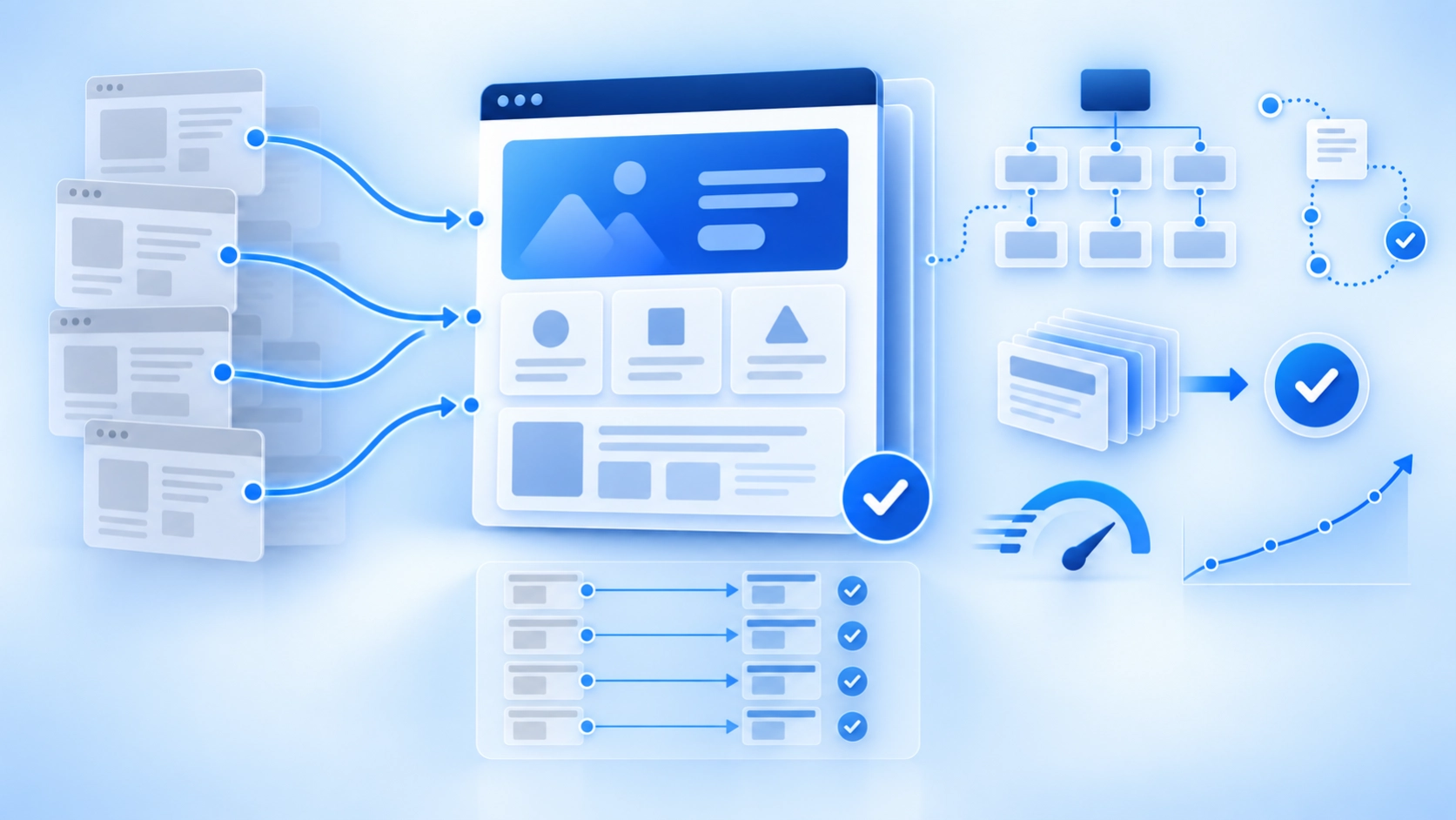
This hierarchy should appear in different forms across the homepage, service pages, sales deck and proposal. Copy-and-pasting the same paragraph everywhere is not consistency. Consistency means the reasoning remains aligned while the message fits the context.
Use Proof as Part of the Brand
ERP firms often place evidence near the bottom of the website as decoration. Proof should shape the brand from the start.
- Verified platform relationships and certifications
- Named sectors and project types
- Team biographies with relevant experience
- A documented delivery method
- Specific customer evidence
- Technical articles reviewed by qualified people
- Clear scope, responsibilities and limitations
Do not claim platform credentials the company cannot verify. Do not convert years in business into “combined experience” and imply every team member has that history. Do not invent customer outcomes because the slide needs a number.
Honest limits are a trust signal. A partner that explains when it is not the right fit can look stronger than one claiming to handle everything.
Create a Visual Identity That Supports Technical Credibility
Most ERP visual identities fall into two traps. They either look like a platform vendor clone, or they use generic corporate imagery that could belong to an accountant, MSP or recruitment firm.
The visual system should be built around how the brand needs to communicate:
- Clear typography for long technical pages and dense presentations
- A color system with accessible contrast
- Diagram and data-visualization rules
- Product, platform and integration illustration rules
- Photography guidance that avoids staged handshake imagery
- Templates for proposals, one-pagers, webinars, events and social content
The identity should make complex information easier to use. If it only looks distinctive in the logo reveal, it has failed the real test.
Respect the Platform Brand Without Disappearing Inside It
Partners need to show ecosystem alignment, but they should not look like an unofficial copy of Microsoft, SAP, Oracle, NetSuite, IFS, Acumatica or Odoo.
Use official platform trademarks according to the relevant guidelines. Keep partner status accurate. Then build a distinct brand around the company’s buyer, method and point of view.
A useful rule is simple: the platform logo tells the buyer where you operate. Your brand must tell them why they should choose you within that ecosystem.
Make Founder and Technical Experience Visible
For smaller ERP sellers, the founders and senior team are often a major reason buyers engage. Hiding them behind generic corporate copy wastes that advantage.
NexaFlow’s founders come from MSP, cloud, Azure and Microsoft work. That background helps us understand why technical buyers distrust loose claims and why handoffs between sales, delivery and support matter. It does not make us ERP implementers, and the content should never pretend otherwise.
That distinction is part of credible branding. State the experience that is real, show how it affects the work and bring in a product specialist when an article or asset makes implementation-specific claims.
Audit the Brand Across Real Sales Touchpoints
| Touchpoint | Question | Common failure |
|---|---|---|
| Homepage | Can the right buyer identify fit in seconds? | Generic transformation message |
| Service page | Are scope, method and evidence clear? | Capability list with no accountability |
| Sales deck | Can a champion share the story internally? | A company history deck built for presenting, not buying |
| Case study | Can the reader judge relevance? | Logo, testimonial and unverified percentage |
| Proposal | Does the document reinforce the position? | A different tone, design and promise from the website |
| Founder profile | Can the reader verify who is giving the advice? | Thin biography or no named author |
Review the touchpoints together. If they feel like work from different companies, the brand system is not operational.
When Does an ERP Company Need a Rebrand?
A rebrand is justified when the business has changed but the market still sees the old company, when services have become hard to explain, when the firm is trapped in price comparisons, or when every sales asset is rebuilt from scratch.
A full rebrand is not always required. If the position is sound, the correct project may be a message refinement, visual-system extension or sales-asset cleanup.
- Reposition when the target market or commercial focus has changed
- Refresh when the identity works but execution feels dated or inconsistent
- Extend when new services or channels lack usable templates
- Repair when the main problem is copy, proof or governance
A Practical ERP Brand Workshop
Before design starts, bring founders, sales, delivery and customer-facing staff into one structured session.
- List the best-fit projects and the work the team should stop chasing.
- Record the questions and objections heard in real sales conversations.
- Identify the delivery choices customers value after they buy.
- Collect every claim and mark it verified, supportable or unusable.
- Map the buying committee and the proof each role needs.
- Write three possible positions and stress-test the trade-offs.
The output is not a mood board. It is a set of decisions the copy and design can express.
Turn Positioning Choices Into Usable Copy
After the workshop, write the position at three levels.
| Level | Use | Test |
|---|---|---|
| One sentence | Homepage, profiles and introductions | Can a new buyer identify audience, service and difference? |
| One paragraph | Proposals, directories and event profiles | Does it add proof without becoming a capability list? |
| One page | Internal message guide | Can sales, delivery and marketing use it without changing the meaning? |
Test the copy with real examples. Replace the company name with a competitor. If the sentence still works, it is probably too generic.
Also test whether the company can support the position operationally. Claiming specialist senior involvement creates a delivery expectation. Claiming sector depth creates an evidence requirement.
Build a Verbal Identity for Technical Content
Tone-of-voice guides often contain useless instructions such as confident, human and professional. Give writers rules they can apply.
- Use the buyer’s process and risk language before platform terminology
- Define acronyms on first use
- Separate facts, opinions and assumptions
- Avoid superlatives unless the claim is verifiable
- Explain trade-offs and cases where the service is not suitable
- Use short direct answers before longer technical context
- Name the reviewer when accuracy depends on specialist knowledge
Include before-and-after examples from the company’s actual website and sales material. Writers learn more from a corrected paragraph than from a page of adjectives.
Decide the Brand Architecture
ERP firms often grow through new services, regions, acquisitions and platform practices. Without brand architecture, every team creates its own name, logo and page.
Decide whether new practices sit under one master brand, use a descriptive service name or need a distinct sub-brand. Most small and mid-sized partners are better served by one strong master brand with clear service and platform descriptors. Separate brands add cost, authority fragmentation and buyer confusion.
Document naming rules before the next practice or package launches.
Roll the Brand Out in Commercial Order
- Homepage and primary service pages
- Sales deck and proposal
- Success-story template
- Founder and team profiles
- Campaign and event templates
- Long-tail assets and internal documents
Do not spend the first month perfecting merchandise while sales still uses the old deck. Rollout order should follow buyer impact.
Measure Whether the Brand Is Working
Brand measurement for an ERP seller should combine qualitative and behavioral evidence.
- Can prospects describe what the company does after the first visit?
- Do salespeople use the same explanation?
- Are more enquiries coming from the intended sectors or ecosystems?
- Do buyers mention a specific point of view or piece of proof?
- Has proposal and campaign production become faster?
- Are fewer assets being recreated outside the system?
Branded search and direct traffic can support the picture, but do not pretend a logo change caused every movement in pipeline.
Related ERP Brand and Sales Guides
- Build the full ERP marketing strategy
- Apply the position to an ERP website
- Carry the brand into sales collateral
- Choose how recurring brand production should be delivered
Does Your ERP Brand Explain Why You Are Different?
NexaFlow builds brand systems that connect positioning, visual identity, websites and sales material. The work starts with what the business can genuinely own, not with a style trend or a list of adjectives.